Scope: this guide is general information from a Massachusetts collision repair shop, not legal or insurance advice. Rights and coverage described below are set by Massachusetts law and can change. Figures below were checked in September 2026.
Once the police report is filed and the tow truck has left, you're handed a decision most drivers make maybe once or twice in a lifetime: which auto body shop actually repairs the car. Your insurer will often name a shop before you've had a chance to think about it. That shop may be perfectly fine, or it may be one you'd never have picked on your own.
You get to choose. This guide, written by the team at South Shore Prime Collision in Weymouth, MA, walks through exactly what to check before you commit a damaged vehicle to any shop in Massachusetts.
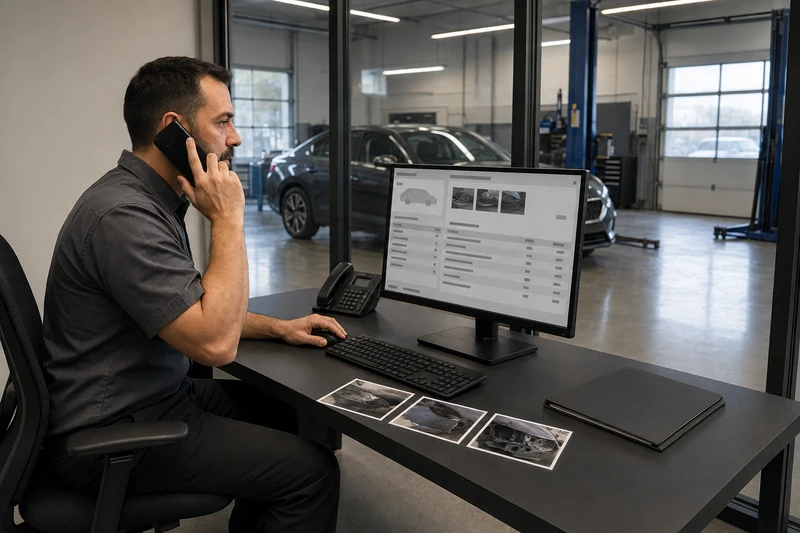
Already have a shop in mind but want a second opinion? Call us at (617) 233-2838 or request a free written estimate and compare it side by side with what you've been quoted.
1. Confirm the Shop Is Licensed and Trained for Modern Vehicles
Ask who works on the car and what they're trained to do
A modern vehicle is not just sheet metal. Structural repair, aluminum panels, and the sensors behind advanced driver-assistance systems all require specific training to do correctly. Ask the shop directly: who handles structural work, and does the shop employ a Licensed Auto Appraiser? A shop that can answer clearly, without hesitating, is telling you something.
South Shore Prime Collision employs a Licensed Auto Appraiser and follows manufacturer repair procedures across major makes and models, including structural repair, aluminum repair, chassis alignment, and the ADAS recalibration that many repairs now require. If a shop can't describe its own repair process in plain language, that's a reason to keep looking.
2. Make Sure They Work With Any Insurer, Not Just a Preferred List
"Direct repair" shops work for the insurer's convenience, not necessarily yours
Insurance companies maintain lists of "direct repair" shops chosen for the insurer's cost efficiency. Massachusetts law gives every vehicle owner the right to choose any licensed collision repair facility, regardless of which shops the insurance company prefers. You are never obligated to use a shop just because it's on that list.
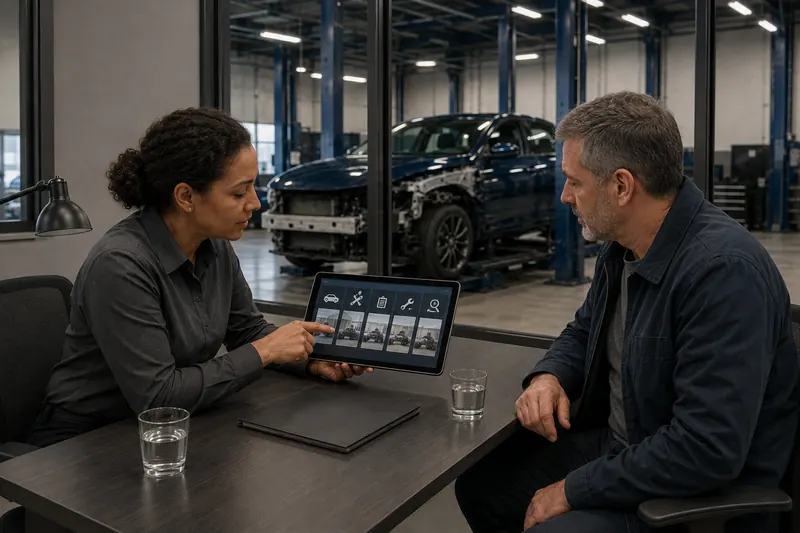
South Shore Prime Collision works directly with any insurance carrier operating in Massachusetts, including Arbella, Progressive, Liberty Mutual, Allstate, Travelers, Geico, and Plymouth Rock. Ask any shop you're considering the same question in plain terms: "Will you work with my insurer even if I'm not using your preferred list?" A shop that hedges on this is a shop working for the insurer's convenience first.
3. Get the Warranty Terms in Writing
A verbal promise about repair quality is not a warranty
Before you sign anything, ask exactly what is covered if something about the repair goes wrong, and for how long. A shop confident in its own work will put those terms on paper without being pressured to. If a shop can only describe its coverage verbally and won't commit it to a document, treat that as a red flag, not an oversight.
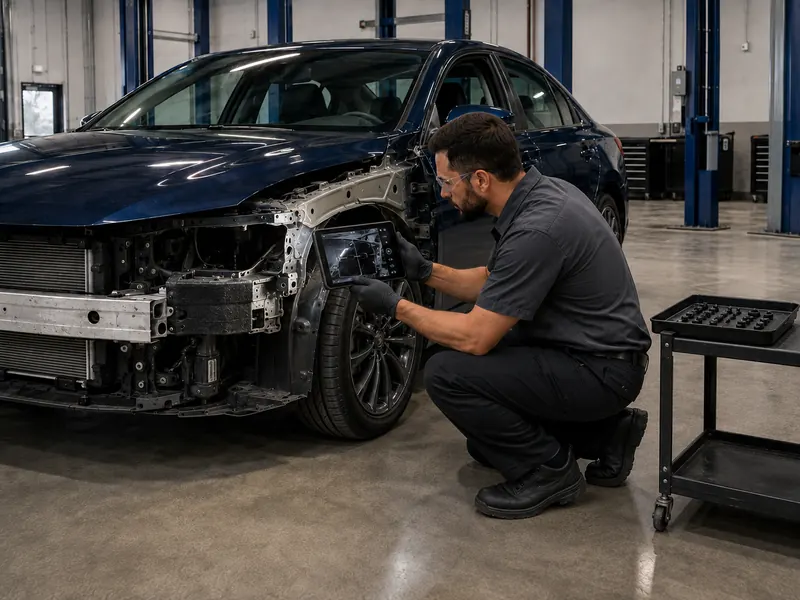
Ask for a free written estimate before repairs begin, itemizing labor, parts, and materials. If your insurer's adjuster comes back with a lower number than the shop's written estimate, ask upfront how the shop handles that gap: a shop worth using will document the difference and pursue a supplement on your behalf rather than quietly cutting corners to match a lower number.
4. Ask About OEM vs. Aftermarket Parts
Not every replacement part is the same, and the shop should tell you which kind it plans to use before the repair starts, not after.
- OEM (Original Equipment Manufacturer) parts: made by or for your vehicle's manufacturer, built to the exact factory specification for fit and finish.
- Aftermarket parts: made by a third-party manufacturer, and can vary in fit, material quality, and how well they interact with ADAS sensors and safety systems.
- Reconditioned or used parts: sometimes proposed by an insurer to lower the claim cost; ask whether the part's condition and origin are documented.
There's no universal right answer for every repair, but there is a wrong process: a shop that doesn't ask the question, or won't tell you the answer, is deciding this for you without your input.
5. Confirm They Actually Serve Your Area
"Nearby" and "licensed to work in Massachusetts" are two different things
South Shore Prime Collision, based in Weymouth, MA, repairs vehicles for drivers across Massachusetts, not only in the towns immediately around the shop. If a shop's website only shows work in a handful of neighboring towns, ask directly whether they'll take your car and coordinate towing or drop-off, wherever in the state you're located.
Frequently Asked Questions
Do I have to use the shop my insurance company recommends?
No. Massachusetts law gives every vehicle owner the right to choose any licensed collision repair facility, regardless of which shops the insurance company prefers. Insurers may suggest their direct repair shops, but you are not obligated to use them. Tell your insurer the name and contact information of the shop you picked.
What is the difference between OEM and aftermarket parts?
OEM parts are made by or for your vehicle's manufacturer and match the factory specification exactly. Aftermarket parts come from a third-party manufacturer and can vary in fit, material, and finish. A shop should tell you which type it plans to use on your vehicle, and why, before the repair starts.
What should a written repair estimate include?
A written estimate should itemize labor, parts, and materials, and state whether parts are OEM or aftermarket. It should also be free to request. If the insurance adjuster's number comes in lower than the shop's written estimate, ask the shop how it plans to document and pursue the difference.
Compare Your Estimate With Ours, Free
We work directly with any insurance carrier in Massachusetts and put every repair term in writing before work begins. Free estimate, no commitment.
Get a Free EstimateAbout South Shore Prime Collision: A collision repair shop in Weymouth, MA serving drivers across Massachusetts. We work directly with any insurance carrier. Call (617) 233-2838 or request a free estimate online.