Scope: this guide is general information written by a collision repair shop, not legal or insurance advice. Statutory deadlines and coverage amounts are set by Massachusetts law and can change. For your specific situation, consult an attorney or your insurer. Figures below were checked in August 2026.
A car accident is one of the most disorienting experiences a driver can face. In the seconds after impact, adrenaline floods your system, your phone is ringing, other drivers are honking, and you're expected to make decisions that could significantly affect your insurance claim and legal rights.
This guide was written by the certified technicians at South Shore Prime Collision in Weymouth, MA. Follow these steps in order, and remember: you don't have to handle any of it alone.
Just had an accident right now? Call us immediately: (617) 233-2838. We'll walk you through every step and arrange towing assistance if needed.
Step 1: Stop and Secure the Scene
Pull over, turn on hazard lights, check for injuries
Massachusetts law requires drivers to stop immediately after any accident involving injury or property damage. Move vehicles out of traffic if possible and safe to do so. Turn on hazard lights. Check yourself and all passengers for injuries before doing anything else.
Never leave the scene. Doing so is a criminal offense in Massachusetts even in minor accidents. If anyone is injured, call 911 immediately. If injuries are severe, stay on the line with the dispatcher and don't move injured individuals unless they are in immediate danger from fire or traffic.
Step 2: Call Police and Document Everything
File a police report and photograph everything
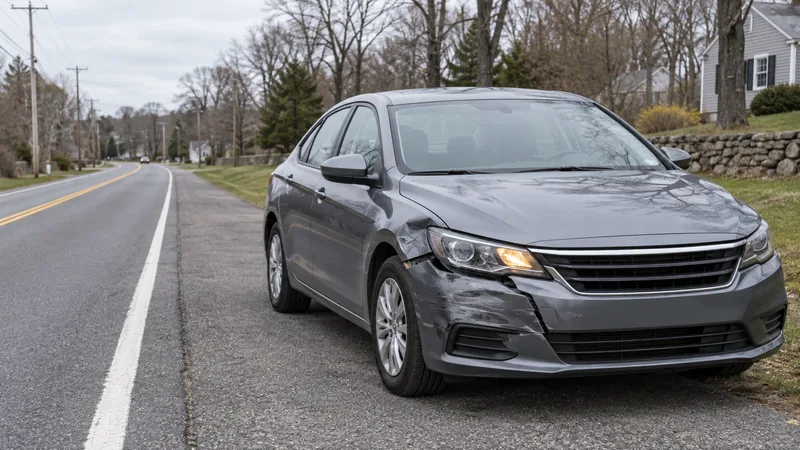
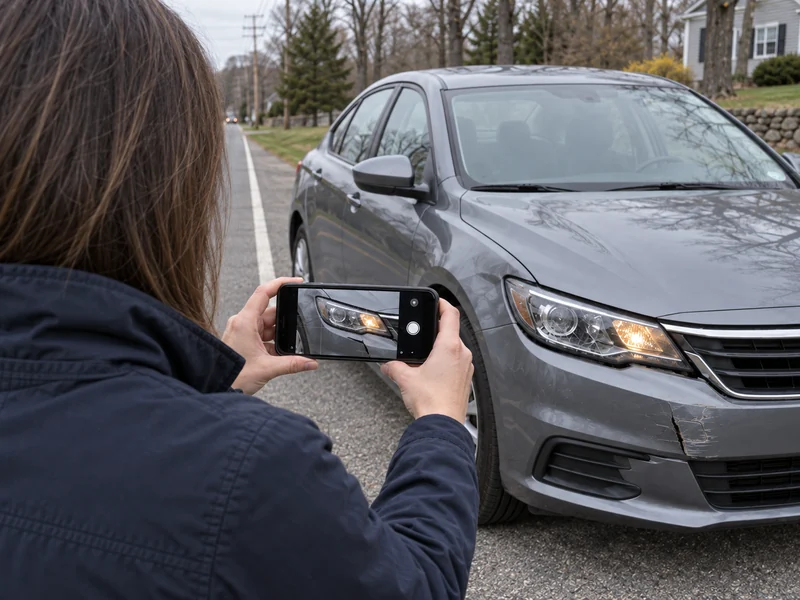
Request police at the scene even for minor accidents. A police report creates an objective record that protects you in insurance negotiations. While waiting, photograph everything: all vehicles, damage, license plates, road conditions, skid marks, traffic signals, and street signs.
In Massachusetts, you must file a Motor Vehicle Crash Operator Report (Form CRA) with the Registry of Motor Vehicles within 5 days if the accident resulted in injury, death, or property damage exceeding $1,000. You can file at mass.gov. The five day deadline and the one thousand dollar threshold come from M.G.L. Chapter 90, Section 26. If police respond and write a report, request the report number before they leave.
Document with your phone's camera:
- All vehicles involved, every angle, before they're moved
- Damage close-up on all involved vehicles
- License plates of all vehicles
- Driver's license and insurance cards of all other drivers
- Witnesses' names and phone numbers
- Road conditions, weather, traffic signals
- Any visible injuries (yours or others')
- Skid marks, debris, or other physical evidence
Step 3: Exchange Information, But Know What Not to Say
Exchange information, say very little about fault
Exchange full name, address, phone number, insurance company, policy number, driver's license number, and vehicle registration with every driver involved. If there are witnesses, get their contact information too.
What NOT to say at the scene: Never admit fault or say "I'm sorry", even out of politeness. Don't speculate about what happened or who caused the accident. These statements can be used against you in insurance negotiations or litigation. Keep communication factual and brief.
Step 4: Notify Your Insurance Company
Massachusetts is a no-fault state. This means your own insurer's Personal Injury Protection (PIP) coverage pays for your medical expenses up to $8,000, regardless of who caused the accident. You should notify your insurer as soon as possible, even if you were not at fault.
Important things to know about Massachusetts insurance after an accident:
- PIP (Personal Injury Protection): Covers your medical bills up to $8,000, regardless of fault. Set by M.G.L. Chapter 90, Section 34M.
- Property Damage: The at-fault driver's insurance covers damage to your vehicle. If they're uninsured, your Collision or Uninsured Motorist coverage applies.
- Surcharges: Your premiums may increase if you're found "more than 50% at fault." Massachusetts uses a point-based surcharge system.
- Statute of Limitations: You have 3 years from the accident date to file a personal injury lawsuit in Massachusetts.
Step 5: Choose Your Own Collision Shop
You have the legal right to choose any licensed shop in Massachusetts
Massachusetts law guarantees your right to choose any licensed collision repair facility, regardless of which shops your insurance company prefers. See the Massachusetts Consumer Bill of Rights for Automobile Insurance and the state guide on getting your car repaired. Insurers may suggest their "direct repair" shops, but you are not obligated to use them. Exercise this right.
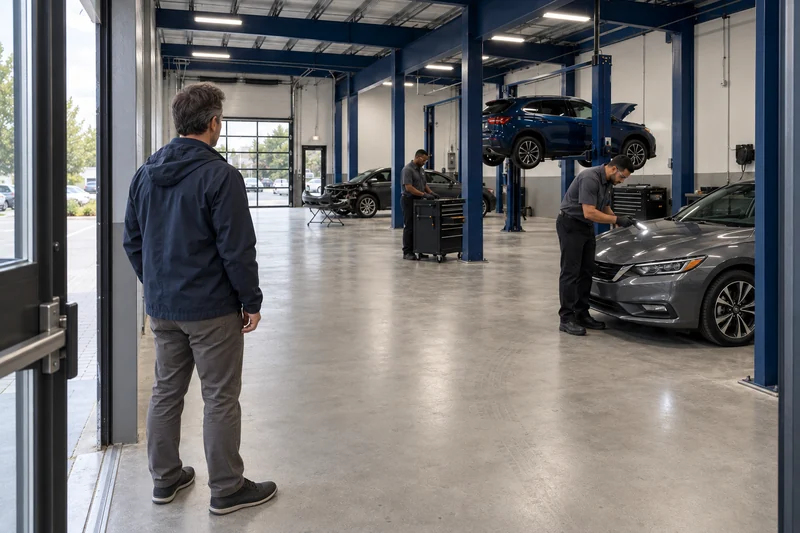
Insurance company "preferred shops" are selected for the insurer's cost efficiency, not necessarily for the best quality repairs on your vehicle. An independent, certified shop like South Shore Prime Collision negotiates on your behalf, not the insurer's.
What to look for in a collision shop after an accident:
- Certified technicians: trained in structural repair, aluminum and ADAS recalibration
- Experience with your specific make and model
- A written repair warranty, with the terms stated up front
- Direct insurer billing so you don't pay out of pocket
- Willingness to negotiate supplements on your behalf
- Rental car coordination during the repair period
- OEM parts availability or equivalent manufacturer-approved parts
Step 6: Don't Sign Anything Without Understanding It
Before signing any document from your insurer or the at-fault driver's insurer, understand what you're agreeing to. Signing a settlement agreement too quickly can waive your right to seek additional compensation if hidden damage is discovered later or if medical symptoms emerge after the fact.
At South Shore Prime Collision, we review all insurance estimate documents and identify any items that have been underestimated or missed. If the adjuster's estimate is lower than what our technicians determine is needed for a complete, safe repair, we file a supplement on your behalf.
Step 7: Get a Medical Evaluation
See a doctor or visit urgent care within 24–48 hours, even if you feel fine. Whiplash and soft-tissue injuries are notoriously delayed in onset: symptoms can take hours or days to appear. A medical record establishes a link between the accident and any injuries, which is critical if you later need to file a personal injury claim.
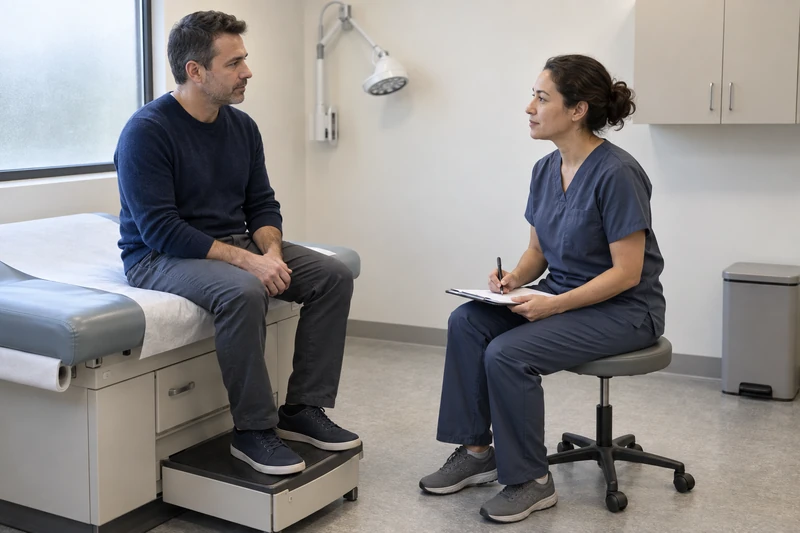
Your PIP coverage pays for medical expenses up to $8,000 whether or not you caused the accident.
Frequently Asked Questions
Do I have to report a car accident to police in Massachusetts?
You must file a Motor Vehicle Crash Operator Report within 5 days if there is injury, death, or more than $1,000 in property damage. If police respond to the scene, they file it. Otherwise, you file at mass.gov. It's always advisable to request police at the scene even for minor accidents.
Is Massachusetts a no-fault insurance state?
Yes. Massachusetts is a no-fault state. Your own PIP coverage pays for medical expenses up to $8,000 regardless of fault. You can still file against an at-fault driver's liability policy for vehicle damage and serious injuries.
Can I choose my own body shop in Massachusetts?
Yes, absolutely. Massachusetts law protects your right to choose any licensed collision repair shop. Simply inform your insurer of your preferred shop. They cannot legally force you to use a specific facility.
We Handle Everything After Your Accident
Insurance claims, repairs, rental cars, supplements. Let South Shore Prime Collision take it off your plate. Free estimate, no commitment.
Get a Free EstimateAbout South Shore Prime Collision: We are a certified collision repair shop in Weymouth, MA serving drivers across Massachusetts. We work directly with any insurance carrier. Call (617) 233-2838 or request a free estimate online.